Solse

LuceFinds and tests your next product

Find your next product. Test it before you make it.

Luce finds what people keep asking for, shapes it into product concepts with a look, a promise and a price, and tests them for real intent, like paid deposits. It suggests and tests. Whether to make it, and how many, stays your call.

Ad spend is yours. Nothing spends without your click.

TestsNext productFinished

Which product should Drowsy launch next?

Sample test · Meta ads · 14 days · $150 per concept

  • Testing3 new products
  • CountingPaid deposits, set by you
Which product should Drowsy launch next? Sample test · Meta ads · 14 days · $150 per concept
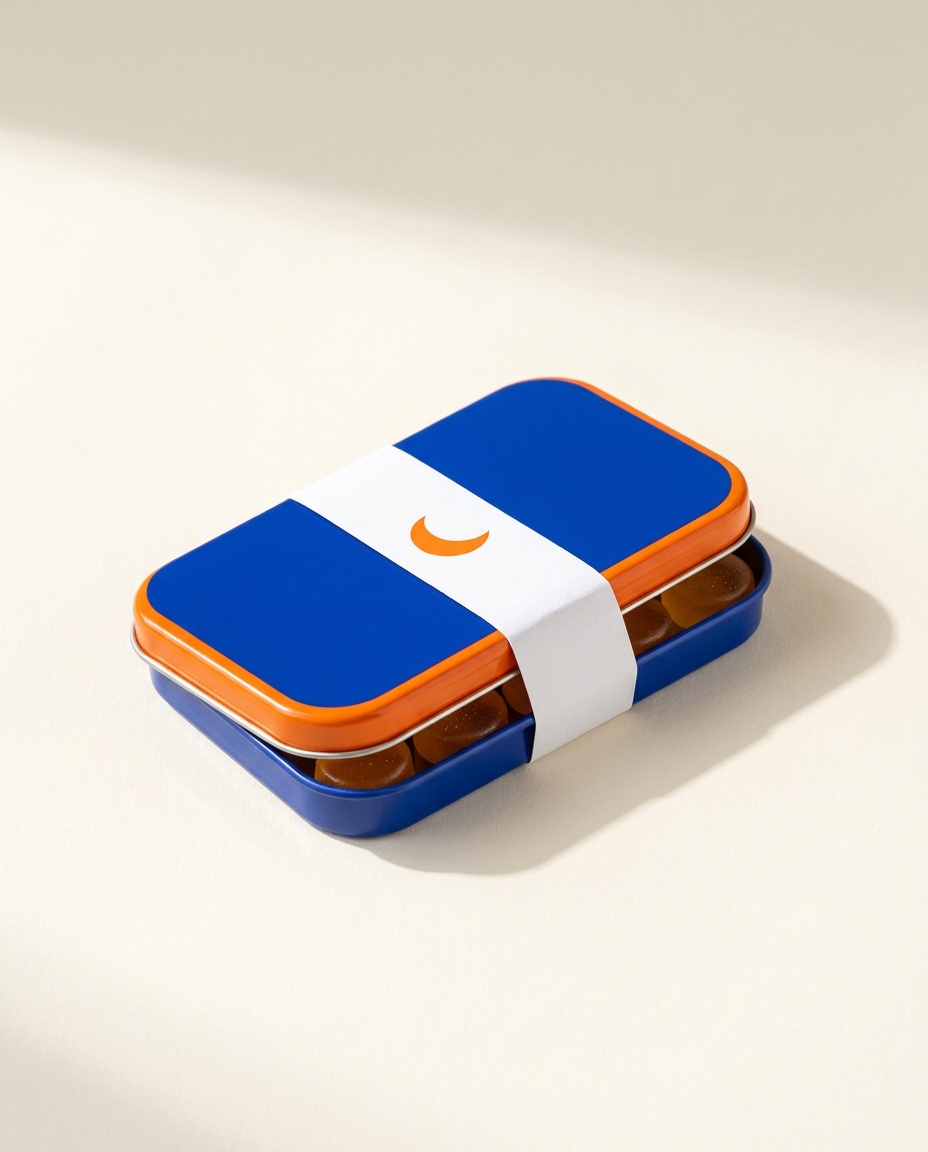
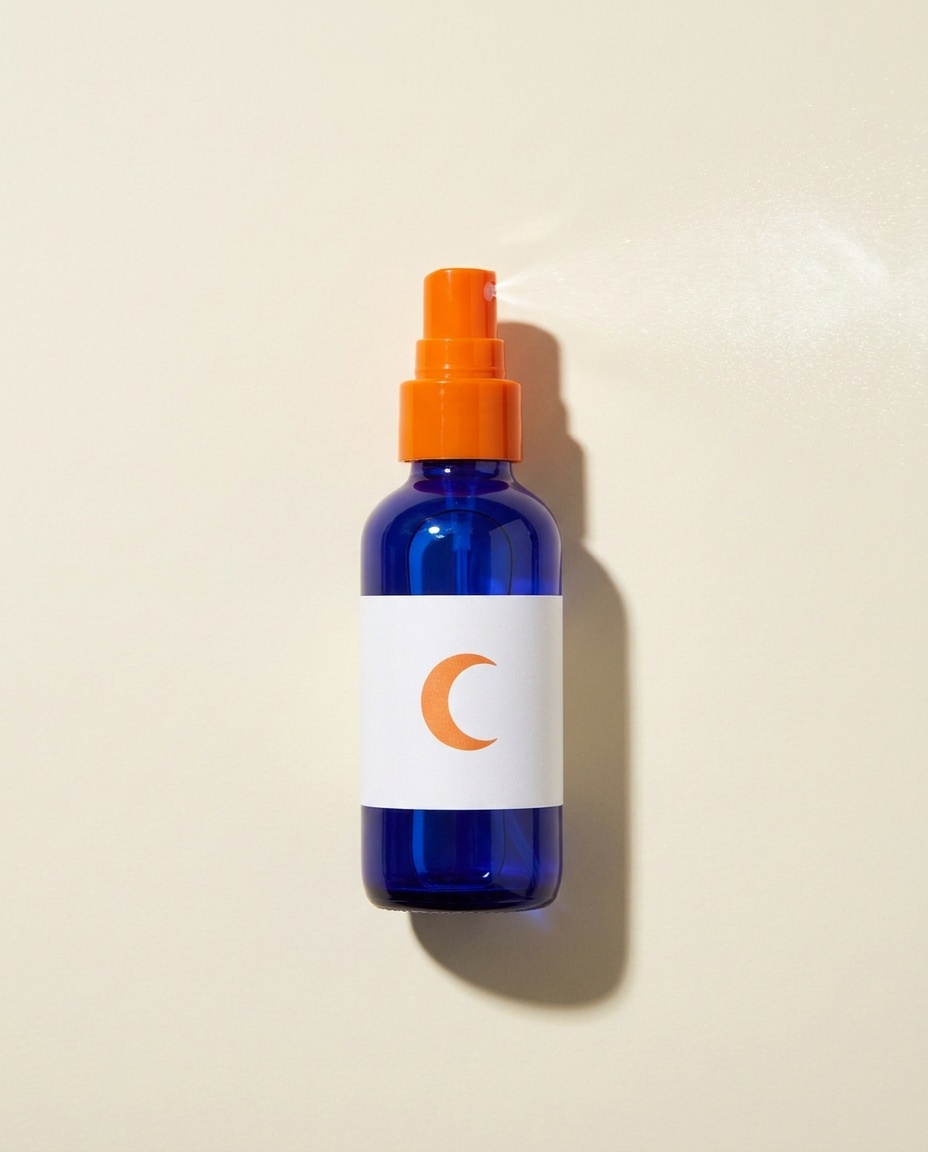
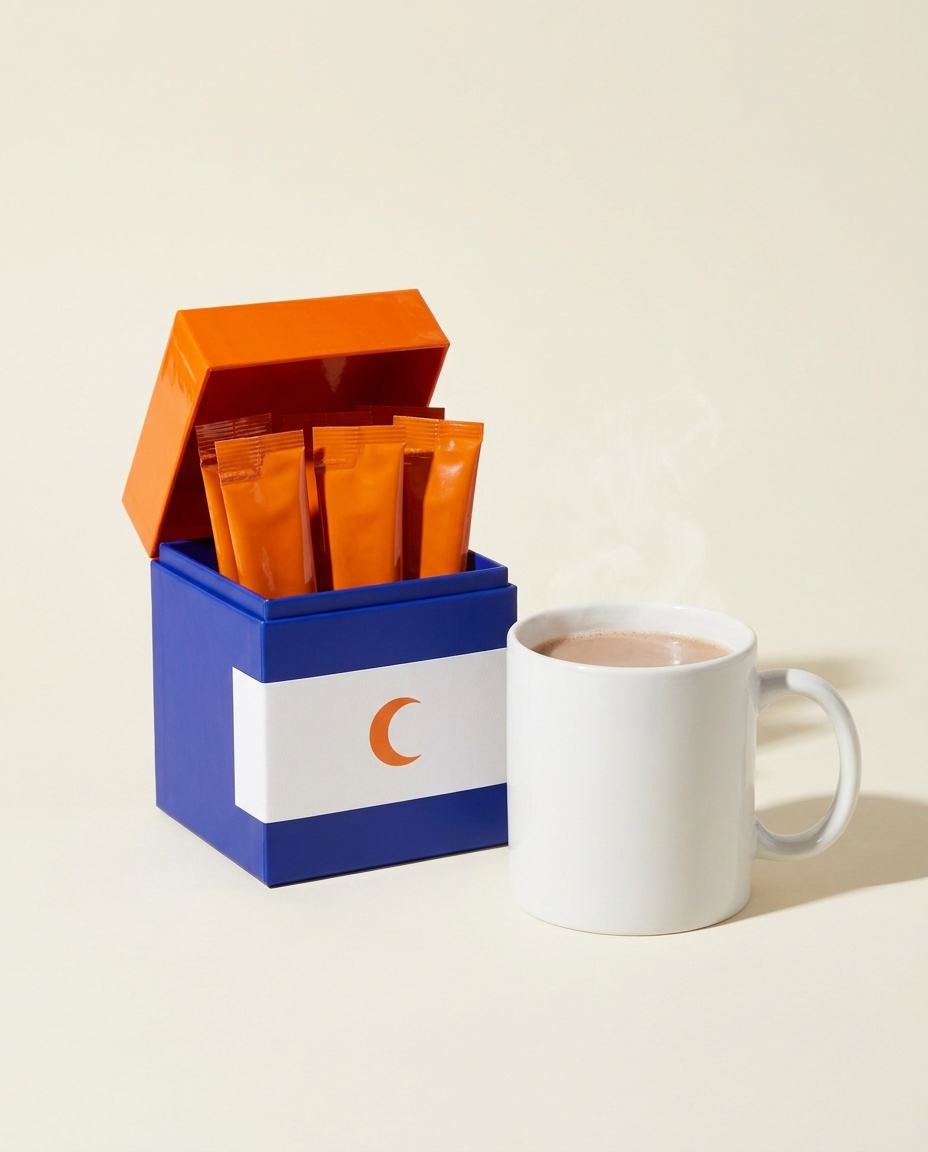
The testThree new products, each with its own page and ad. Same budget, same layout. Counting $5 refundable deposits.Drowsy Travel$24Land. Sleep. Function.Drowsy Mist$28Two sprays, lights out.Drowsy Unwind$32A warm cup that switches you off.
Reached4,210CPM $35.634,060CPM $36.954,180CPM $35.89
Clicks1182.80% CTR1644.04% CTR1022.44% CTR
Paid deposits1916.1% of clicks63.7% of clicks1110.8% of clicks
Cost per deposit$7.89$150 spent$25.00$150 spent$13.64$150 spent
ComparedTravel most deposits, lowest cost per depositMist most clicks

Suggested next testTest Travel at $24 vs $29

Whether to make it, and how many, is your call.Drowsy is a fictional brand. Concept visuals and numbers are samples.

The problem

The slow, expensive way to find out.

Most new products are tested with money: a minimum order, a warehouse, and a wait.

  1. Guessing what people want.

    Ideas come from a hunch or a friend’s opinion, while the real evidence sits unread on Reddit, X, forums and in reviews.

  2. Making it first.

    Minimum orders and stock are paid for before anyone has said they want it. If they don’t, it sits on a shelf.

  3. Every test built by hand.

    A mockup, a landing page, an ad and a spreadsheet for each idea. Weeks per test, and no two tests measured the same way.

  4. Tests that can’t tell the ad from the product.

    Change the picture and the product at once, or let the platform pour budget into one early favourite, and you can’t say what people responded to.

How it works

From a hunch to real traction.

One framework, the same every time, so tests are fast and comparable. Luce does the legwork and suggests; nothing runs without your OK.

  1. Start

    Step 1: Start from your brand, or a new one.

    An existing brand brings its memory; a new one starts clean. Describe what you have in mind, or ask Luce to find your next product.

  2. Explore

    Step 2: It finds the demand.

    Luce reads Reddit, X, forums and reviews for what people keep asking for and complaining about, quoted and counted, and suggests what to make. On its own if you ask, or with as much of your input as you like.

  3. Shape

    Step 3: It shapes the concepts.

    For each idea: how the product looks, the promise it makes and the price to test. Concept visuals in your brand, before anything exists. Pick, edit or ask for more.

  4. Test

    Step 4: It tests them, with your OK.

    A page and an ad per concept, the same budget each, counting your measure: a paid deposit, a pre-order, a waitlist join. Meta ads today, made with Mona’s engine built in; X and Reddit come later.

  5. Read

    Step 5: It reads the numbers, clearly.

    Every concept compared: clicks for the ad’s pull, deposits for the product’s, cost per deposit. Read out in plain English, with a suggested next test.

  6. Decide

    Step 6: You make the business call.

    Whether to make it, how many, what to invest: always yours. Luce records what you decided and why, so the next test starts smarter.

A worked example

Which product next? One test, start to finish.

Drowsy, a sample sleep-gummy brand, wanted to know what to launch next. Luce found the demand, shaped three concepts and tested them. These are the numbers from the card at the top of this page, and what Luce does with them.

  1. 1Explore147posts, threads and reviews, quoted and counted
  2. 2Shape3concepts, each with a look, a promise and a price
  3. 3Test$450ad spend over 14 days, the same for each
  4. 4Read36paid deposits, $5 each, refundable
  5. 5DecideYourswhether to make it, and how many
Drowsy Travel$24Jet-lag sleep gummies in a slim pocket tin“Land. Sleep. Function.”
Drowsy Mist$28Pillow spray“Two sprays, lights out.”
Drowsy Unwind$32Magnesium night drink, in sachets“A warm cup that switches you off.”

What you get from every test

  • The demand behind each conceptThe posts, reviews and threads it came from, quoted and counted.
  • Every concept, comparedReach, clicks, CTR, CPM, paid deposits and cost per deposit, side by side.
  • The ad’s pull and the product’s pull, apartClicks on one side, money down on the other.
  • A suggested next testA price, a pack or a promise worth checking next. You choose whether to run it.

The ad’s pull

Clicks, out of everyone reached

  • Travel1182.80%
  • Mist1644.04%
  • Unwind1022.44%

The product’s pull

Paid a deposit, out of everyone who clicked

  • Travel1916.1%
  • Mist63.7%
  • Unwind1110.8%

Luce’s read-out

  • Travel took the most deposits (19) at the lowest cost per deposit ($7.89).
  • Mist drew the most clicks (164, 4.04% CTR) but only 6 deposits: the ad pulled people in; fewer of them put money down.
  • Unwind sits in between: 11 deposits at $13.64 each.

Suggested next testTest Travel at $24 vs $29

Luce compares. You decide.

Luce tells you which concept people put money down for, with the numbers to back it, and suggests what to test next.

It won’t tell you to make it, how many to make or what to invest: that depends on margins, suppliers, cash and how sure you need to be. With counts this small, it also shows you how few people sit behind each number.

Luce

Suggested next test: Test Travel at $24 vs $29.

You

Your decision: Run the price test on Travel

“Most deposits, cheapest per deposit. Price before stock.”

Recorded

Drowsy is a fictional brand. Concept visuals and numbers are samples.

Boundaries

The calls Luce leaves to you.

Luce suggests and tests. You make the business call: whether to sell, how much to make, what to invest.

Luce · permissionsLocked. There’s no switch for these.
  • Tell you to sell it, or notIt shows traction. Whether that’s enough is yours to judge.Never
  • Call a result a green lightNo “there’s traction, you should sell it”.Never
  • Tell you how much to makeInventory is your decision.Never
  • Tell you what to investCapital is your decision.Never
  • Spend without your clickYou set the budget and pay the ad platform directly.Never
  • Act without your consentEvery page, ad and test waits for your OK.Never

Pricing

Founding prices. Locked while you stay.

Join the waitlist and the price you see is the price you keep. Nothing is charged until your invite, and there’s no card today.

Starter

3 product tests a quarter

$49/ monthvs $69 monthly

$147 every 3 months · saves $60 a quarter

  • Finds demand on Reddit, X, forums and reviews
  • Designs the product’s look and the prices to test
  • Test pages and test ads, made for you
  • Live on Meta, measured on your number
Join the waitlist
  • Prices in US dollars, before any tax. Cancel any time.
  • Quarterly plans pool the allowance: use the three months’ worth whenever you like.
  • Prices may change for people who join later. The price you see when you join is yours if you subscribe within 30 days of your invite, for as long as you stay. The founding-price rules.

Luce FAQ

Questions about Luce.

More questions? See the full FAQ
What can Luce test?

Your next product: a new SKU, a new format, a new size or price, or a new promise for something you already make. Or a brand-new product for a brand that doesn’t exist yet.

Where does the demand evidence come from?

Reddit, X, forums and reviews: what people ask for and complain about. Luce can look on its own, or work from as much of your own input as you want to give it.

Will Luce tell me which product to make?

It shows which concept people responded to, and which they put money down for, with clear numbers, and can suggest what to test next. Whether to make it, and how many, is always your call.

Where do the tests run?

On Meta ads today. X and Reddit, paid or organic, come later. You set the budget and pay the ad platform directly, and nothing spends without your click.

Do I need Mona?

No. Luce has Mona’s ad engine built in for its tests. Mona on its own is for your everyday ads; if you use both, they share one brand memory.

Why paid deposits?

A click is cheap and a free waitlist join is light. A small refundable deposit or a pre-order asks people to put money down, so it says more about intent. You choose the measure for each test: a waitlist, a deposit, a pre-order or leads.

Find it. Test it. Then decide.

Join the waitlist. No card today, and your founding price is locked when you join.

Join the waitlist
Next: MonaAn ad maker for your everyday ads: your real product, in your own look.Everything Mona does